
Jewelry Information and More
Argentium Silver, Sterling Silver, and Fine Silver
What’s the difference between Argentium, Sterling, and Fine Silvers? In this article, I’ll give you a brief description of these three metals and their unique properties and uses.
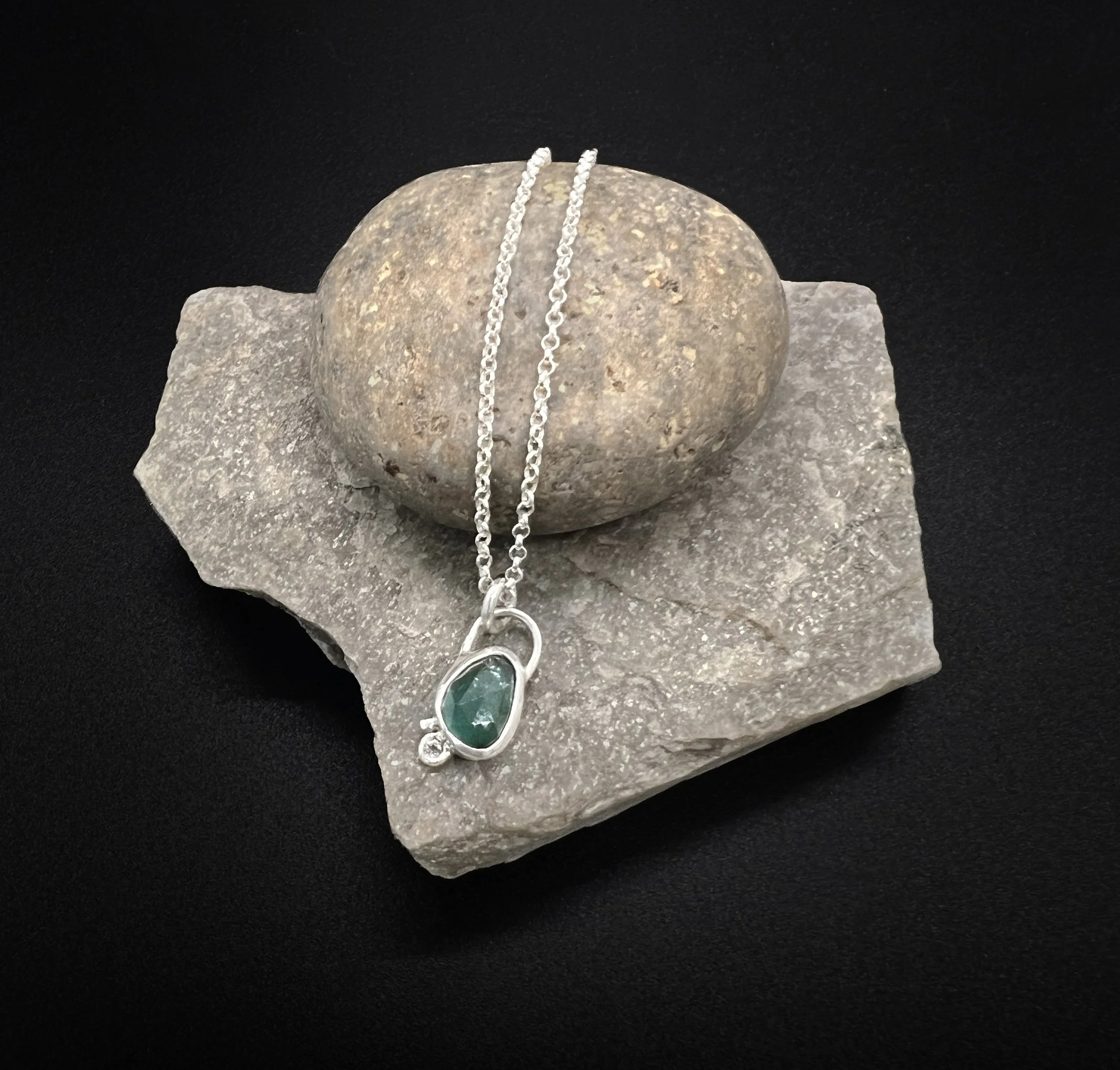
This grandidierite and topaz pendant is made with Argentium silver (back, bail, and jump rings), Fine silver (bezel around the grandidierite stone), and Sterling silver (tube holding the small topaz and the commercial chain).
I use a lot of Argentium Silver in my work. I like the way it works and feels and I think it looks just a bit brighter than Sterling. I’ve had people ask me, “What is Argentium?” and “What makes it different from Sterling Silver?” or “Why don’t you just use Fine Silver so you don’t have to worry as much about tarnish?” Below I’ll give you a brief description of the three metals. They all make beautiful, lasting jewelry (except silver plated, blech!) so the silver that a jeweler chooses is usually based on their personal preference for what they like to work with - I actually use all three depending on what I’m making!
Fine .999 Silver
Fine silver is the closest metal to the pure element silver. The mark for it is .999 which indicates 99.9% purity. The 0.1% remainder consists of trace elements of insignificant quantity. This type of silver is quite soft and is used often in bezels for stones where malleability is a plus. It is less common in other parts of jewelry because items may not wear well over time.
Sterling .925 Silver
Sterling is the jewelry quality standard in the United States and most world markets. It is an alloy of 92.5% silver, with the remaining 7.5% usually being copper. The copper in the alloy increase hardness so the material will be more durable. Alloy additions also create the color and luster that is so prized by consumers. Sterling silver is the silver color we are most familiar with and the most common type of silver in US jewelry stores. It is bright and shiny but it will tarnish, and Sterling jewelry will be scratched or dented if it is banged around.
Argentium Silver (Non-Tarnish Alloys)
Non-tarnish alloys are fairly new to the market. Argentium is one brand but there are others available that are similar. These alloys are a minimum of 92.5% silver though some will be higher in silver content (Argentium contains 93.5% silver). The remainder consists of copper and the addition of the element germanium. The germanium makes the alloy harder and resistant to tarnish. Non-tarnish alloys can still tarnish under extreme conditions and after extended periods of time, but they will generally require less maintenance than sterling. It is difficult to distinguish from sterling once on the market because jewelers often use the .925 quality stamp on it, indicating the minimum amount of silver allowed, which is the same as Sterling.
Let me know if you have any questions about metals - I’m not an expert, but I may be able to help you find the information you need!
How Silver Is Recycled: A Behind-the-Scenes Look at Sustainable Jewelry
K Norris Jewelry only uses recycled metal - the majority of which is argentium silver. When you choose a recycled silver piece, you’re not just buying jewelry - you’re supporting a circular, sustainable process that reduces environmental impact while preserving the beauty and quality of the metal. But how exactly is silver recycled? Here’s a simple breakdown of what happens behind the scenes.
K Norris Jewelry only uses recycled metal - the majority of which is argentium silver. When you choose a recycled silver piece, you’re not just buying jewelry - you’re supporting a circular, sustainable process that reduces environmental impact while preserving the beauty and quality of the metal. But how exactly is silver recycled? Here’s a simple breakdown of what happens behind the scenes.
Collecting and Sorting the Silver
Recycling begins with gathering silver-bearing materials such as old jewelry, broken silverware, bench scraps from jewelers, and certain industrial components. These items are carefully sorted to separate silver from non-silver materials so only usable metal goes forward for refining.
Melting the Metal
The sorted silver is placed in a high-temperature furnace and melted down. As the metal liquefies, impurities rise to the surface and are skimmed away, leaving cleaner, more workable material.
Purifying the Silver
Once melted, the silver goes through a refining process to reach high purity—often 99.9%. Refiners may use:
Electrolytic refining, which separates silver using electricity
Chemical processes, which dissolve unwanted metals
Cementation, where copper helps precipitate pure silver
This step ensures that the recycled silver is every bit as pure and beautiful as newly mined silver.
Alloying Into New Silver Materials
Pure silver is too soft for most jewelry, so it’s alloyed with small amounts of other metals to create reliable working alloys such as:
Sterling silver (.925)
Argentium silver (.935 or .960)
These alloys improve durability without compromising shine.
Casting and Forming
The refined and alloyed silver is then cast into sheets, wire, or small pellets known as grain. These become the raw materials jewelers use to craft new rings, pendants, earrings, and more.
Why Recycled Silver Matters
Silver is infinitely recyclable—it never loses its quality. Using recycled silver:
Reduces the environmental impact of mining
Conserves natural resources
Uses less energy compared to extracting new metal
Supports sustainable craftsmanship
A Beautiful Metal With a Beautiful Purpose
When you choose silver jewelry, you’re choosing a piece that’s been reclaimed, refined, and transformed into something entirely new. It’s a small but meaningful step toward more sustainable style.
Silver or Gold? Which Metal Should I Wear?
There’s no real rule about who “should” wear silver or gold as both suit a wide range of people. However, many individuals naturally gravitate toward one or the other based on skin tone and/or overall aesthetic preference. Here are some broad indicators of who might prefer silver or gold.
There’s no real rule about who “should” wear silver or gold as both suit a wide range of people. However, many individuals naturally gravitate toward one or the other based on skin tone and/or overall aesthetic preference. Below are some broad indicators of who might prefer silver or gold.
Who Typically Prefers Silver?
1. People with Cool Undertones
If someone’s skin has hints of pink, blue, or rose, silver tends to look naturally harmonious and bright.
2. Fans of Minimalist or Modern Style
Silver often feels clean, subtle, and contemporary. Many who like understated or sleek jewelry choose silver.
3. Those Who Prefer Everyday, Low-Maintenance Wear
Metals like Argentium silver are tarnish-resistant and great for daily use.
4. People Who Wear Mostly Cool Colors
If their wardrobe leans toward black, gray, white, blue, or jewel tones, silver usually complements it beautifully.
Who Typically Prefers Gold?
1. People with Warm Undertones
Gold tends to enhance skin with yellow, olive, or golden tones.
2. Fans of Classic, Vintage, or Luxe Styles
Gold often reads as timeless or elegant, so people who love a warm, rich look often choose it.
3. Those Who Like Bold or Statement Pieces
Gold naturally stands out, so it’s a favorite for eye-catching rings, chains, and earrings.
4. People Who Wear Mostly Warm Colors
Earth tones, reds, browns, and creams tend to pair well with gold.
Many People Wear Both
There is a lot of freedom in your choice of jewelry metals. Many people don’t limit themselves at all and wear a mix of metals for versatility, personal expression, or simply because they like certain pieces in different metals. Modern styling embraces mixing silver and gold and only you can decide which metals and pieces make you feel confident, happy, and special.
Precious Vs Semi-Precious Gemstones
Are you curious as to why some gemstones are precious and others are not? Or, “Why is this semi-precious stone more expensive than that precious stone?” Although I’m not a gemologist, I’ll do my best to give you some answers to these questions!
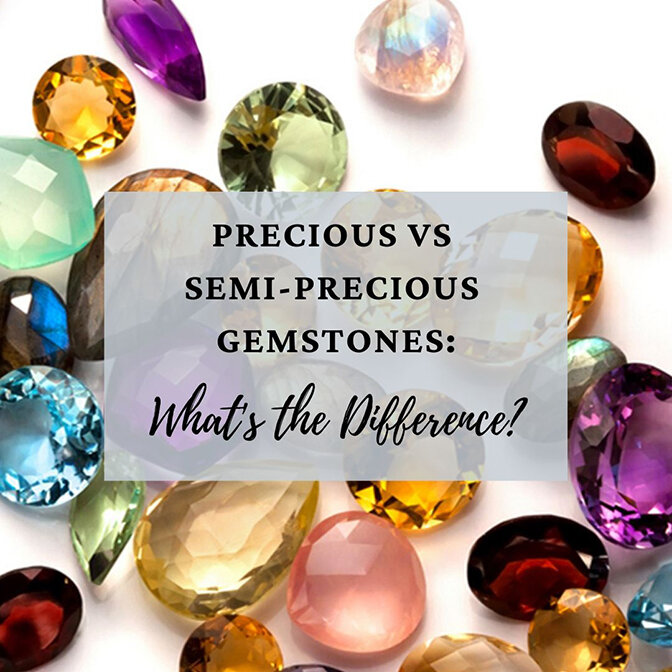
I love colored gems of all types, but blues and greens and the shades in between are definitely my favorite, well, except for reds (garnets), I really love them, too. I especially love gemstone rings – it puts those stones in the perfect place for me to gaze upon them all day… When looking at or reading about gemstones I often hear/see the terms precious and semi-precious tossed around. If you’ve looked at gemstone jewelry, you may have heard these terms, too. You may be curious about, “Which stones are precious and which are not, and why?” Or, “Why is this semi-precious stone more expensive than that precious stone?” Although I’m not a gemologist, I CAN give you some answers to these questions!
The fact is, there is no real difference between precious and semi-precious gemstones! The distinction between gemstones that are “precious” and those that are “semi-precious” is actually arbitrary and has no scientific backing. For example, emerald (which is among the precious gems) is a variety of beryl, just like aquamarine (a semi-precious stone). In fact, red beryl (also categorized as semi-precious) is more rare and often more expensive than emerald!
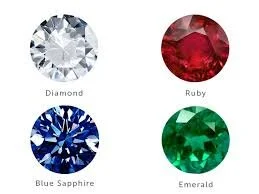
Right now, four gemstones are popularly classified as “precious” - emerald, ruby, sapphire, and diamond. Sellers of precious stones began using the term to play up the stones’ value, beauty, and rarity.
Early on, amethyst was also included on the list of precious stones, however, when large deposits of the stone were found in South America, prices dropped and it was no longer considered “rare.” The term “semi-precious” began to be used to indicate its downgraded status.
Not too long after, huge South African diamond mines were discovered (1870) and diamonds went from just a few pounds being mined each year to being dug out of the ground literally by the ton! So, why weren’t diamonds demoted to the rank of semi-precious? The answer to this question centers on the merger of the biggest diamond mines by the De Beers brothers, whose family still controls worldwide diamond production and supply to this day. Although quality diamonds are actually not scarce at all, De Beers controls how much supply comes on the market and that keeps prices high.

They also mounted a concerted advertising campaign that spanned decades to create an association of diamonds with love, courtship and marriage. The diamond engagement ring, once unknown in most parts of the world (including Europe), is now considered an essential part of the ritual of marriage. It is hard to avoid the conclusion that diamond's special position as a precious stone is largely due to monopoly economics and social engineering.
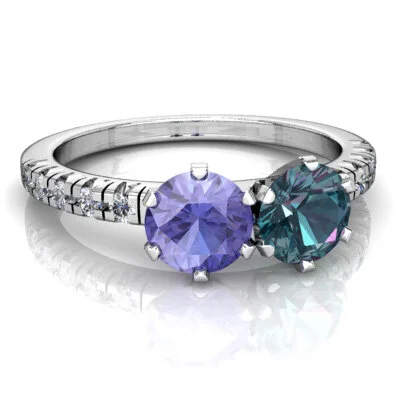
Today, numerous stones that remain in the semi-precious category can be priced much higher than an average precious stone and many are more rare. The most desired natural pearls and spinels garner huge prices – and alexandrites, tanzanites, and certain types of garnet are harder to find, harder to mine, and produced in much lower qualities than the precious gemstones.
It is fair to say that the distinction between precious and semi-precious gemstones has become meaningless. The US Federal Trade Commission periodically considers banning the use of the terms to reduce consumer confusion. The American Gem Trade Association (AGTA) has included the directive in their Code of Ethics that members should avoid the use of the term semi-precious in describing gemstones.
There are currently about 200 unique gemstones in the world! I advise you not to get caught up on whether a stone is labeled precious or semi-precious. If you find a stone eye-catching for its color(s), shape, distinctive inclusions, the beautiful jewelry in which it resides, and/or the experiences it makes you think of, then it IS special, valuable, and precious.
Ask any questions or let me know about your favorite gemstones in the comments!
Stay well!
Why Are Gold and Silver Prices Rising? What Jewelry Shoppers Should Know
The cost of precious-metals has climbed significantly, and many shoppers are wondering why. The good news? Understanding what’s happening can help you make confident, informed choices.
If you’ve been shopping for jewelry lately, you may have noticed that silver and gold pieces are more pricey. The cost of precious-metals has climbed significantly, and many shoppers are wondering why. The good news? Understanding what’s happening can help you make confident, informed choices.
Here’s a simple breakdown of what’s driving the surge.
1. Precious Metals Are a Safe Haven in Uncertain Times
Whenever the world feels uncertain, economically or politically, investors tend to put their money into gold and silver. These metals have held value for thousands of years, so people see them as steady and reliable. Increased demand naturally pushes prices higher.
2. Interest Rates and Inflation Make Metals More Appealing
When interest rates are low or expected to drop, gold and silver become more attractive. Unlike savings accounts or bonds, precious metals don’t pay interest, so they shine brightest when interest rates are low.
Add in concerns about inflation, and more investors start turning to metals as a hedge. More demand = higher prices.
3. Silver’s Industrial Demand Is Booming
Silver has a unique “dual role”: it’s both a precious metal and a heavily used industrial material. Today, silver demand is climbing because it’s essential for:
Solar panels
Electric vehicles
Electronics
Clean-energy technology
This surge in industrial needs gives the price of silver strong upward pressure.
4. Central Banks and Institutions Are Buying More Precious Metals
Around the world, major financial institutions and central banks are increasing their reserves. When the biggest buyers in the world load up, it drives prices higher and adds stability to the upward trend.
5. Momentum and Investor Excitement Play a Role
As gold and silver prices rise, more people want in. This creates a bit of a “snowball effect,” where rising prices attract more buyers, which pushes prices even higher.
What This Means for Jewelry Shoppers
Jewelry is becoming an even stronger investment
When the metal itself is gaining value, your jewelry holds (or even grows) its worth over time.
Silver remains a beautiful, affordable choice
Even with rising prices, silver offers a bright, elegant look at a more accessible cost than gold.
Handmade pieces maintain long-term value
Jewelry crafted with recycled metals, artisan techniques, and unique gemstones carries value beyond the metal weight.
A Rising Market, But Timeless Beauty
While precious-metal prices move with global events, the beauty and meaning of jewelry don’t change. A thoughtfully chosen piece, whether silver, gold or gemstone, remains something to treasure.